
Colouring looks like the simplest activity in the world: give a child a book and some pencils, then step back. In practice, most sessions collapse within minutes — a broken tip, a colour dispute, a page torn out, a sudden announcement that colouring is boring.
None of that means the child dislikes colouring. It usually means the activity was set up for an adult's idea of colouring rather than a child's. These seven adjustments make a surprising difference.
1. Colour at the same table, not from the sofa
Children copy what they see far more than what they are told. If you hand over a book and then pick up your phone, colouring becomes a chore you have assigned. Sit down with your own page — even for ten minutes — and the activity becomes something the household does together.
You do not need to be good at it. In fact, it helps if you are visibly not trying to be perfect.
2. Let them choose the page — and the colours
Adults tend to steer towards the "right" colour: green leaves, orange pumpkins, blue sky. Children often have other plans, and those plans are the point. A purple pumpkin is not a mistake; it is a decision. The more ownership a child has over the page, the longer they stay with it.
3. Offer fewer colours, not more
A 120-pen set is exciting for about ninety seconds and then becomes a decision problem. Put out six to ten colours in a mug and rotate them another day. Fewer choices make it easier to start, and starting is the hard part.
4. Skip the sample image
Many colouring books include a coloured reference on the facing page. For adults, that can be helpful. For children, it often becomes a test they think they are failing. If the book has one, fold it out of sight or choose an edition without it. The goal is play, not replication.
5. Use a timer — but make it short
Open-ended colouring can feel endless to a small child. Try a ten-minute "colour sprint" with a visible timer, then stop while everyone is still enjoying it. Ending on a high note is what makes them come back tomorrow. A page does not need to be finished in one go; leaving something for next time is a feature.
6. Display the work
Nothing extends a colouring habit like a fridge door, a pinboard or a string line across a bedroom wall. Display the page they are proud of, not the one you think is neatest. If they ask for a frame, use one. The message is simple: this was worth doing.
7. Keep a works-in-progress folder
Half-finished pages are not failures. Keep a simple folder or a clipboard for pages in progress, so a session can resume without hunting for the book. This also teaches a useful creative habit: you can leave something and come back to it.
What to buy for young colourists
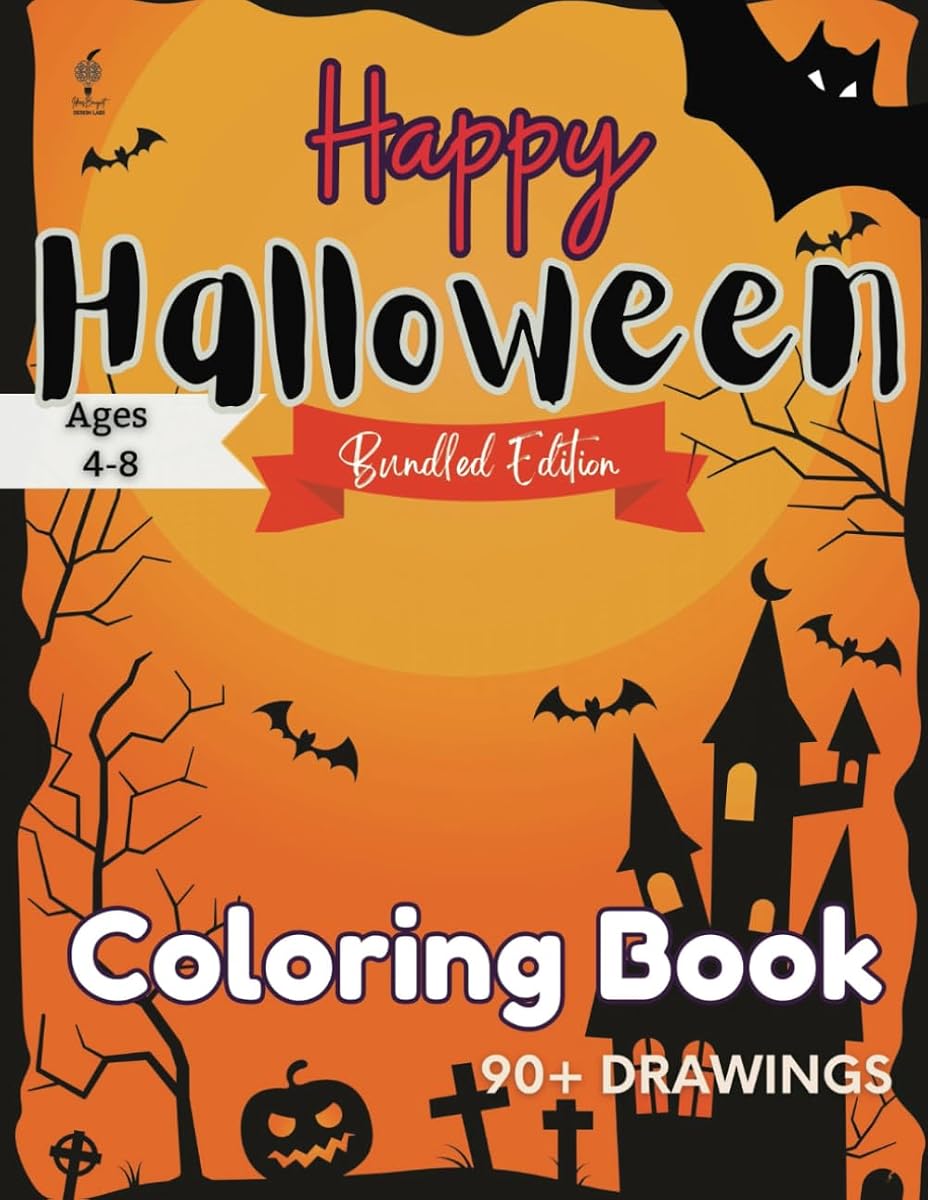
Look for bold outlines, larger shapes and a subject the child already loves. Our Happy Halloween activity and colouring books are designed for ages 4–8, with simple scenes, friendly characters and enough variety to keep a session interesting. Activity books add riddles and puzzles for children who need a bit more to do than colour.
And if a page gets ruined? Turn it into scrap paper, or colour over it. A colouring book is a tool, not an heirloom. The confidence to make a mess is the real skill you are teaching.